
Our Standard Procedures for Accessibility
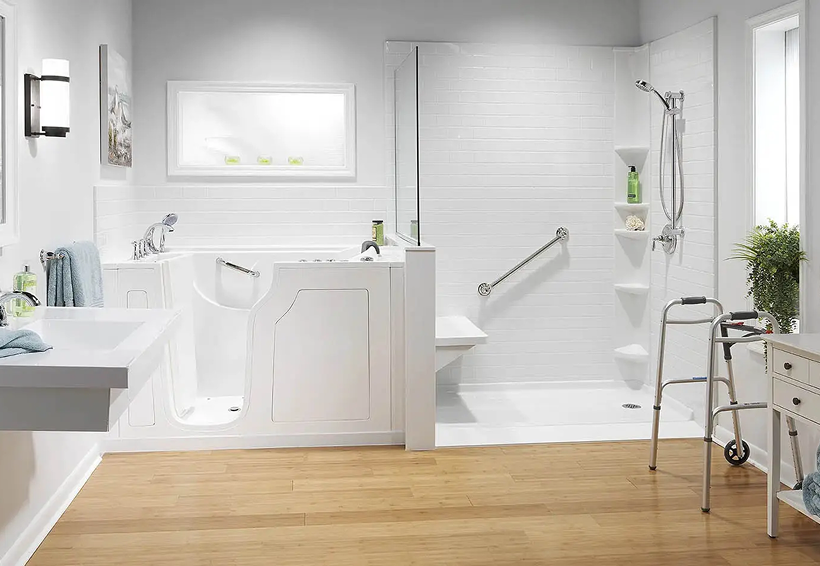
Our standard procedures for accessibility renovations begin with a comprehensive functional assessment, often in collaboration with Occupational Therapists (OTs). This ensures that modifications—ranging from detailed 3D renders and design guidance to full-scale construction—are tailored to specific mobility, sensory, and safety needs. Our capabilities include end-to-end project management, covering structural work such as widening doorways, installing step-free (hobless) showers, and reinforcing walls for grab rail installation. We also integrate advanced features such as smart home technology (voice-controlled lighting and automated locks), custom-height cabinetry, and slip-resistant flooring to enhance independence and ensure compliance with Australian AS 1428.1 standards.
Renovations Begin With a Comprehensive Functional Assessment
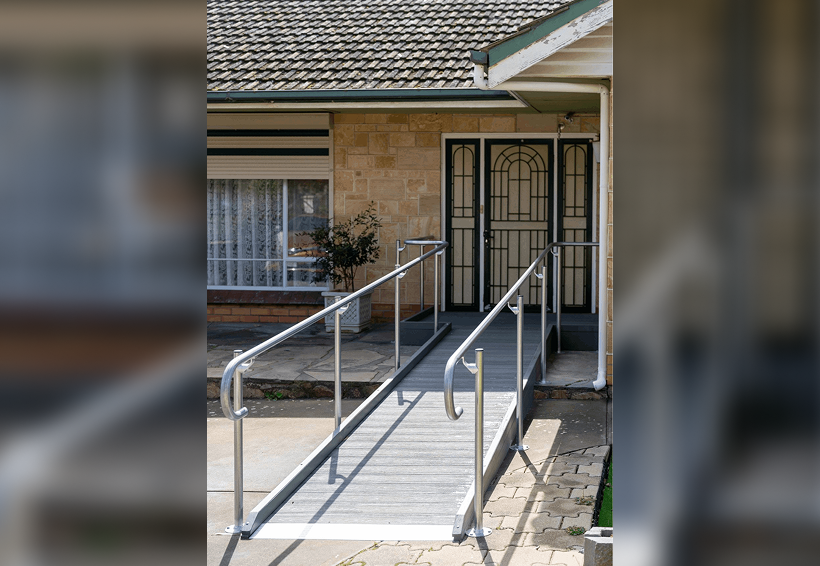
An accessibility renovation is defined as the strategic modification of a built environment to remove physical barriers and improve usability for individuals of all ages and abilities. These changes help promote independence and safety by ensuring essential areas—such as entrances, bathrooms, and kitchens—are easy to access and use without compromising the overall experience. Accessibility home modifications are key to creating safe, comfortable, and independent living environments for people with mobility challenges, disabilities, or those aging in place. A well-planned approach includes assessing individual needs and identifying barriers such as narrow doorways, steep stairs, or slippery surfaces. Common upgrades include ramps, widened doorways, grab bars, lowered countertops, improved lighting, non-slip flooring, and step-free showers. Incorporating smart home features and consulting with accessibility specialists can help ensure the design is both practical and future-proof, ultimately improving quality of life and increasing the home’s long-term value.
See Our Work


